A journey through a century of pocket change, from Chicago to Saigon.
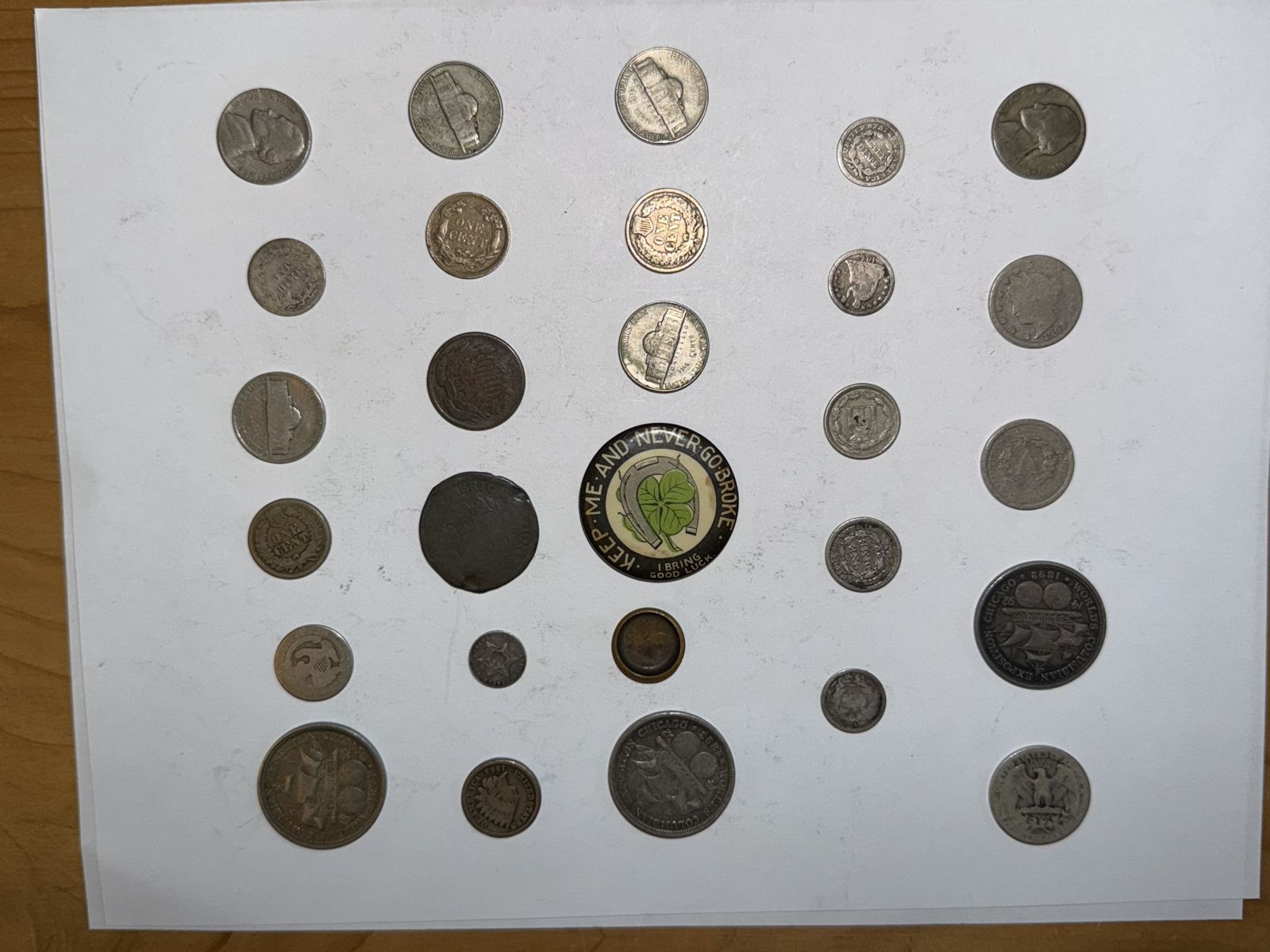
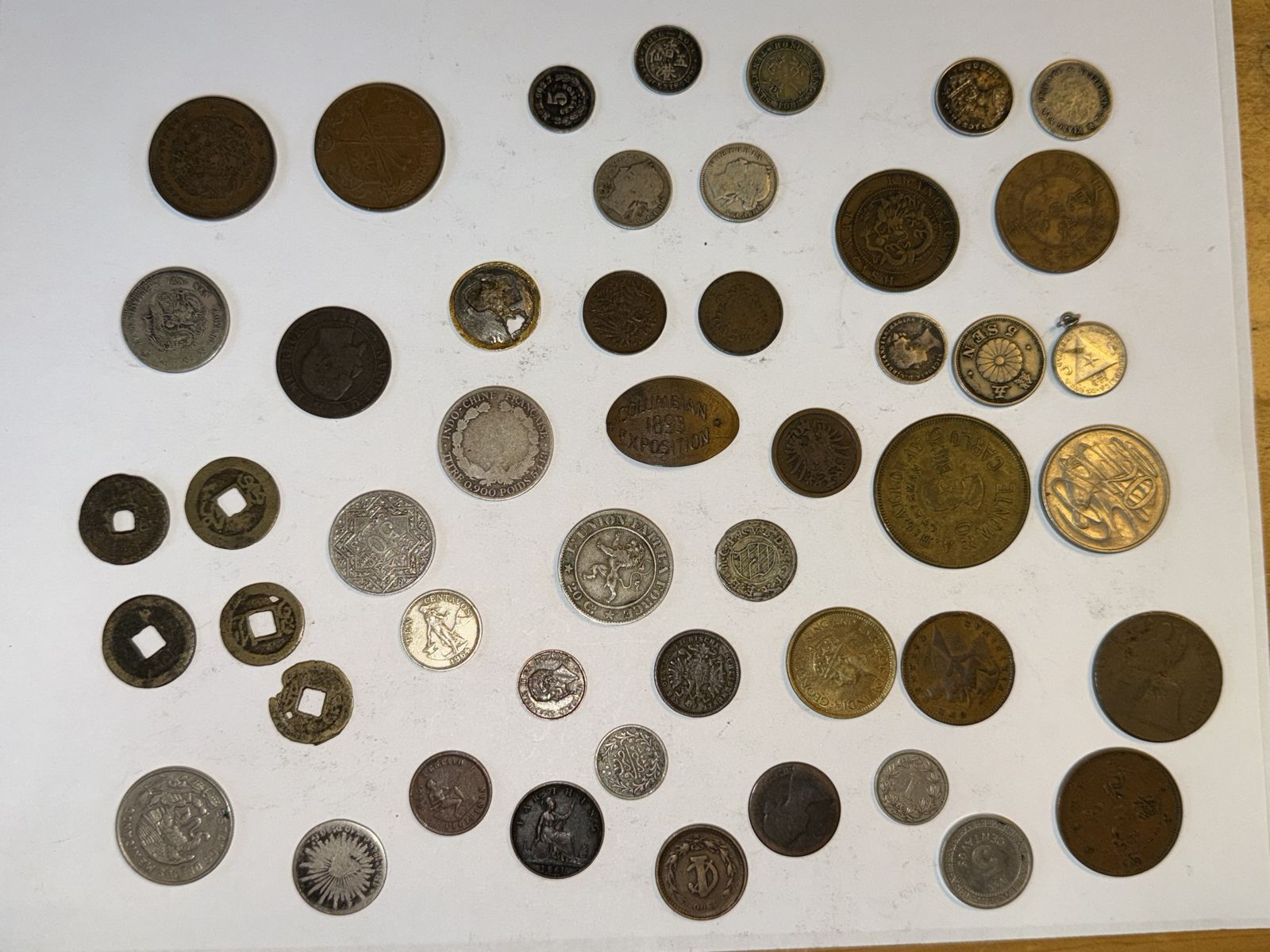
Nearly eighty coins and tokens that Kent has kept safe for decades: American silver from before the Civil War, souvenirs of the 1893 World's Fair, and small change carried home from a dozen countries.
The oldest piece was made in 1834, when Andrew Jackson was president. The newest is from 1968.
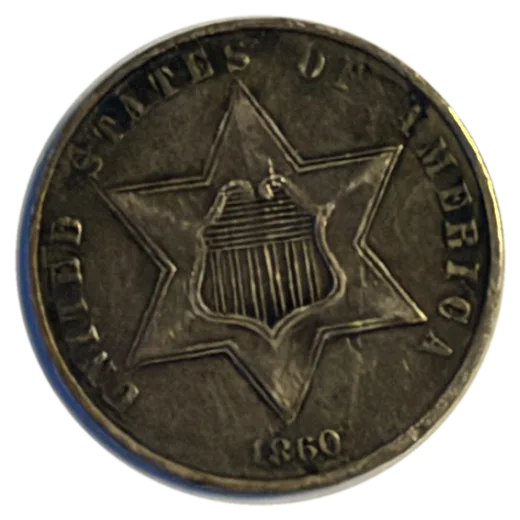
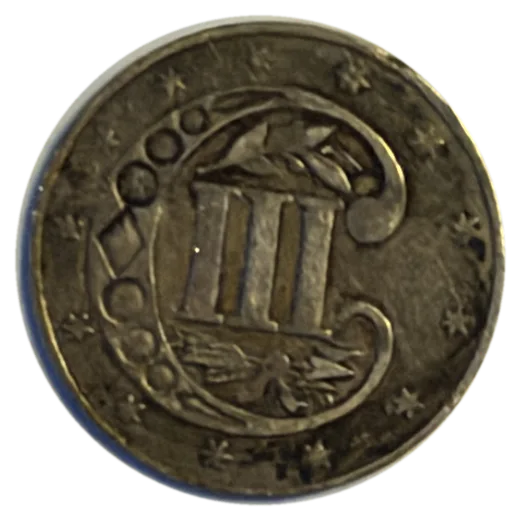
Tap the coin to turn it over. This is the 1860 three-cent silver piece, the smallest silver coin America ever made.
What's in the collection
Two trays, laid out on the kitchen table.
American coins and tokens, 1834 to 1964Coins from Europe, Asia, Latin America and Australia
The American stories
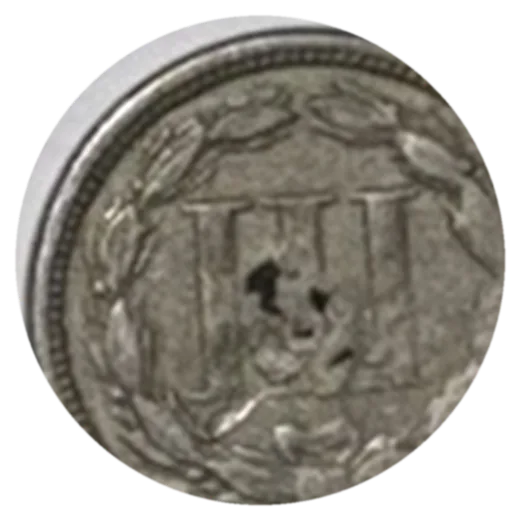
Front: a six-pointed star with the U.S. shieldBack: Roman numeral III inside a fancy C
The smallest silver coin ever made
The 1860 three-cent silver piece, nicknamed the "trime," is only 14 mm across and weighs less than a gram. It is easy to mistake for a button.
Congress created it in 1851 so people could buy a three-cent postage stamp with a single coin. Only about 287,000 were struck in 1860, which makes this a scarcer date. It is worth roughly $40 to $100 today.
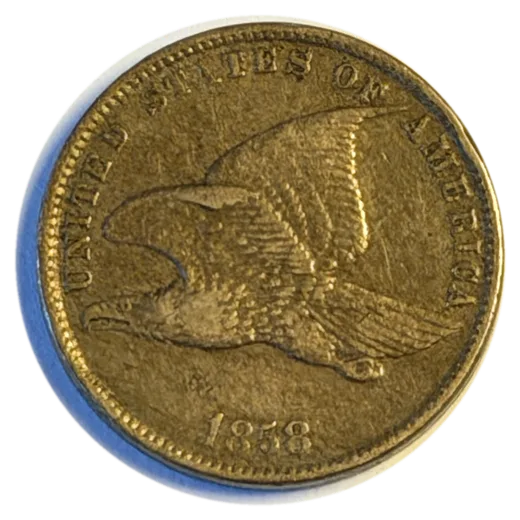
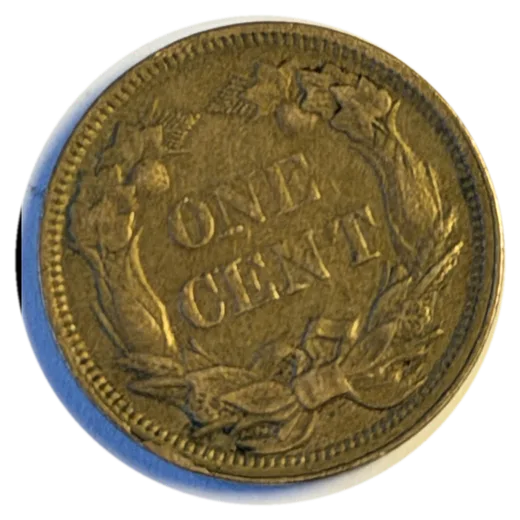
The eagle was borrowed from an 1836 silver dollarA wreath of corn, wheat, cotton and tobacco
America's first small penny
Before 1857 a penny was a big copper coin the size of a half dollar. The 1858 Flying Eagle cent was its replacement, made of copper and nickel, which is why it looks pale and feels thick.
The alloy was so hard it kept breaking the Mint's dies, and the design lasted only two years before the Indian Head cent took over. This is the single most valuable coin in the collection, worth about $50 to $100.
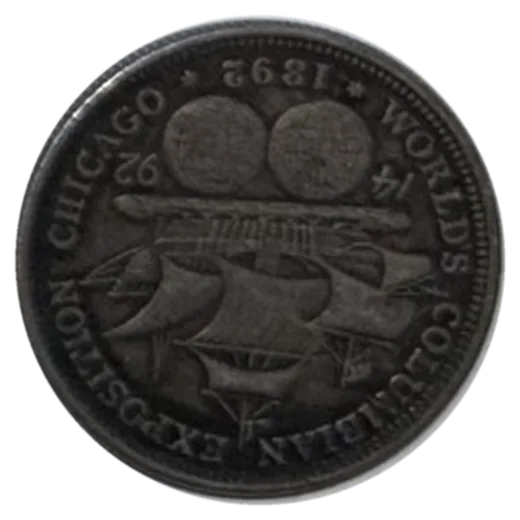
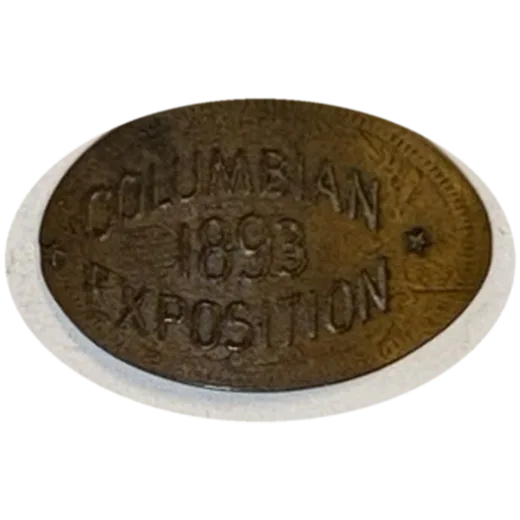
Columbian half dollar, 1892: the Santa María sailing over two globesA penny rolled flat at the fair
Souvenirs of the 1893 World's Fair
Chicago's Columbian Exposition marked 400 years since Columbus. The half dollar was the very first U.S. commemorative coin and the first to show a real person. The fair sold them for a dollar each, and Kent has three: one dated 1892 and two dated 1893.
The oval penny was squeezed through a rolling press at the fair. Chicago 1893 is where that souvenir idea began, and these first elongated cents are collected in their own right.
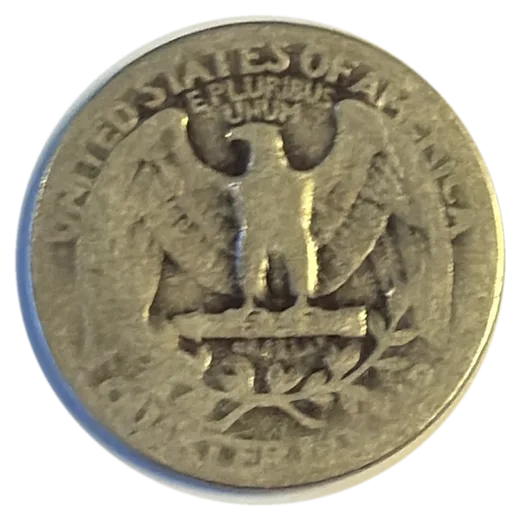
The eagle side, worn from years in pockets
The first Washington quarter
The 1932 quarter was struck for the 200th anniversary of George Washington's birth and was meant to be a one-year commemorative. It proved so popular it never left, and Washington is still on the quarter today.
1932 was a Depression year and only 5.4 million were made in Philadelphia, a small number for a quarter. The mint mark sits just below the wreath; no mark means Philadelphia, while a tiny D or S would make it a rare coin worth over $100.
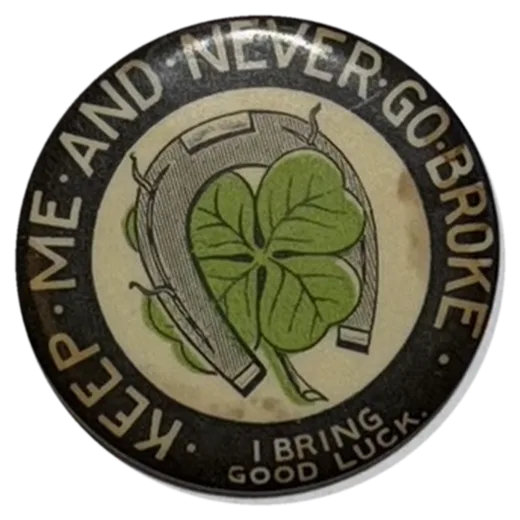
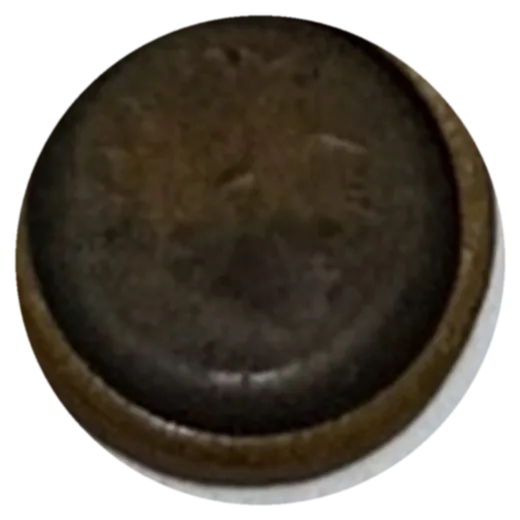
"Keep me and never go broke" pocket pieceEncased Indian Head cent from Elgin, Illinois
Good luck pieces and advertising
The horseshoe-and-clover piece is a celluloid good luck charm from the early 1900s, the kind a store gave away with a purchase.
The penny in a metal ring is an advertising token: "Smoke The Only Pebble, the best 5¢ cigar in town. Wm. Sunlin, Elgin, Ill." Local tokens like this are collected today for the town history as much as the coin.
Pocket change from the 1800s
Coins that bought a newspaper, a loaf of bread or a cigar.
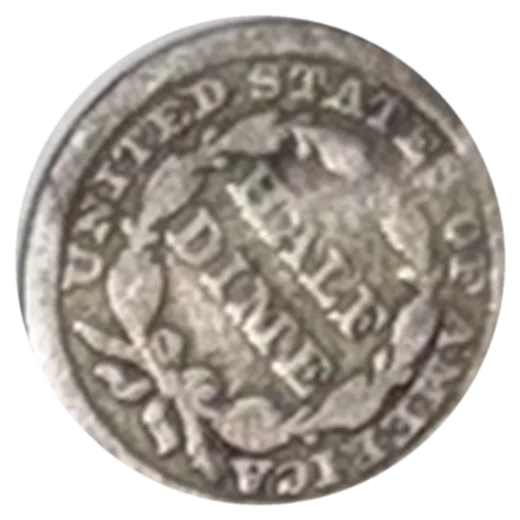
Before the nickel we know today, five cents came as a tiny silver half dime. Nickels arrived in 1866, and for years both circulated side by side.
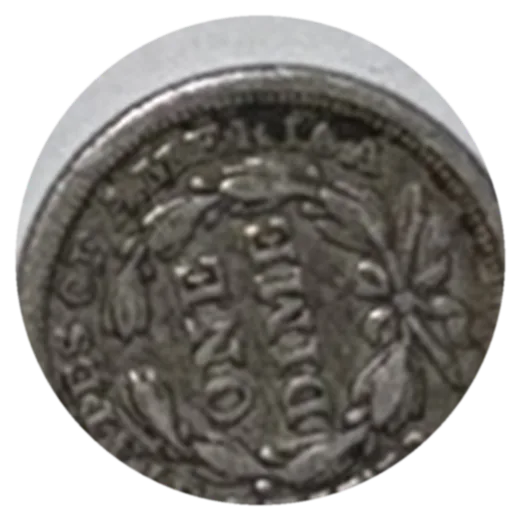
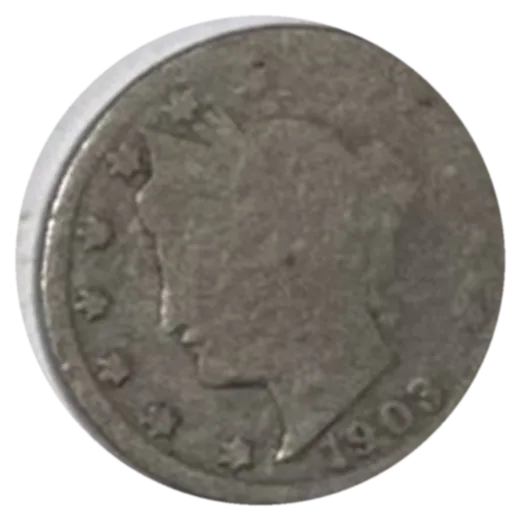
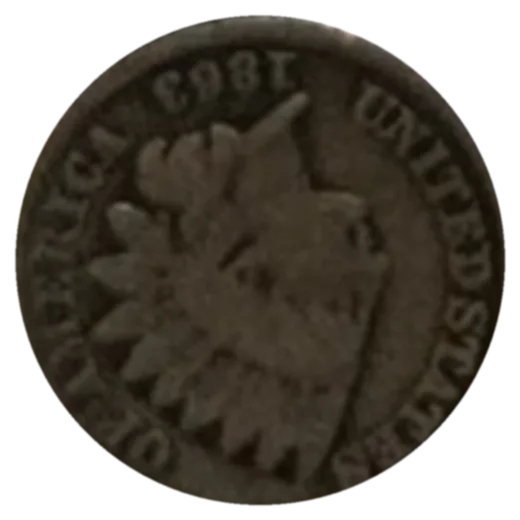
Half dimeA silver five-cent pieceSeated Liberty dime1880sThree-cent nickel1865 to 1889Liberty "V" nickel1905Indian Head cent1863, Civil War
Around the world
How coins from ten countries ended up in an American coin jar.
Europe in the 1850s and 1860s
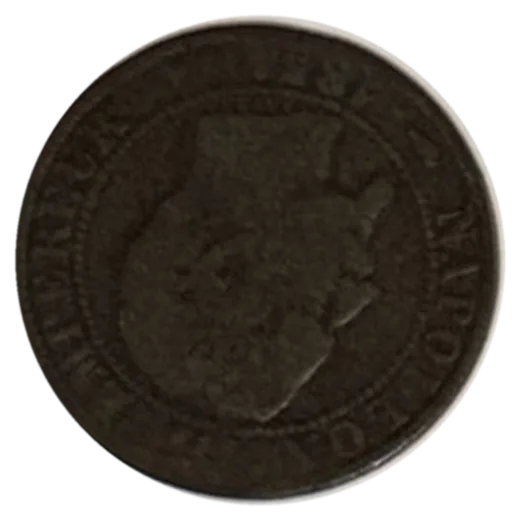
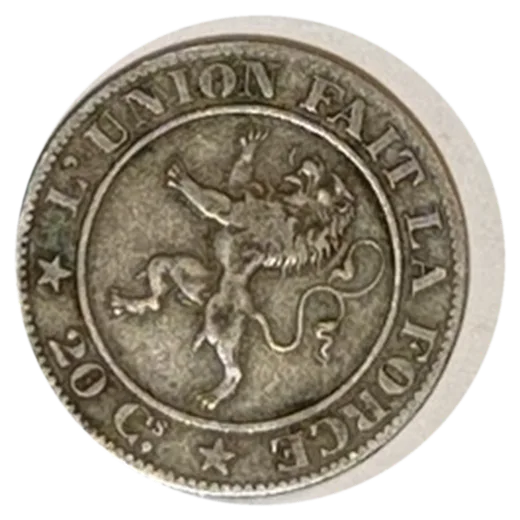
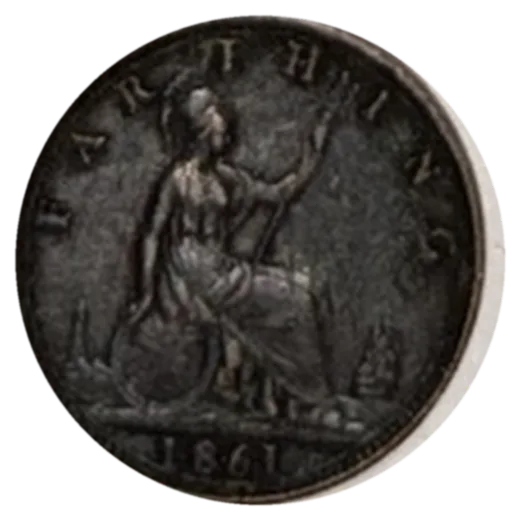
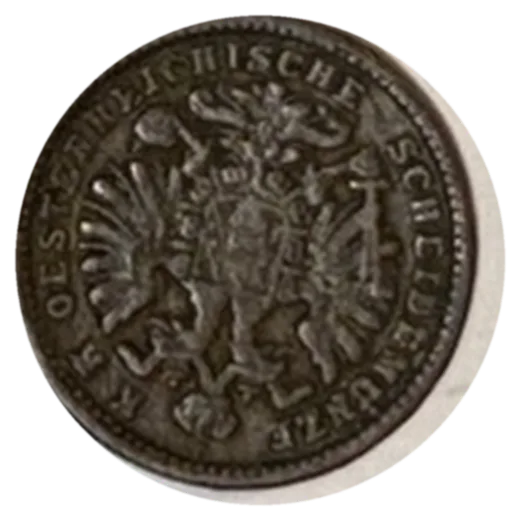
Five countries, five monarchs, all within a few years of each other. Immigrants brought these over in their pockets. The Belgian coin is one of the first in Europe made of copper-nickel instead of silver, the same idea as the Flying Eagle cent.
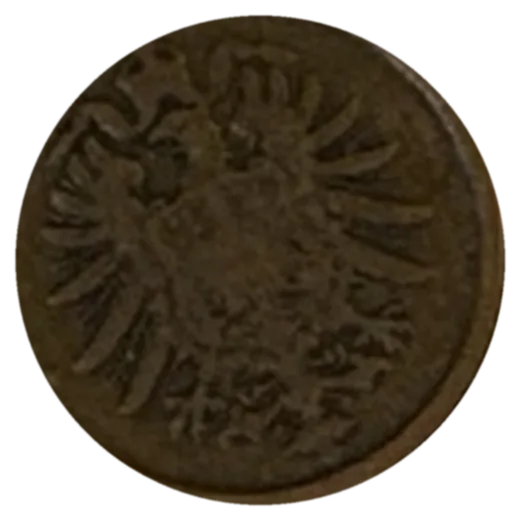
France, 1854Napoleon III, 5 centimesBelgium, 1861King Leopold I, 20 centimesBritain, 1861Queen Victoria farthingAustria, 1858Franz Joseph, 1 kreuzerGermany, 1875Imperial eagle, 2 pfennig
Asia and the Pacific
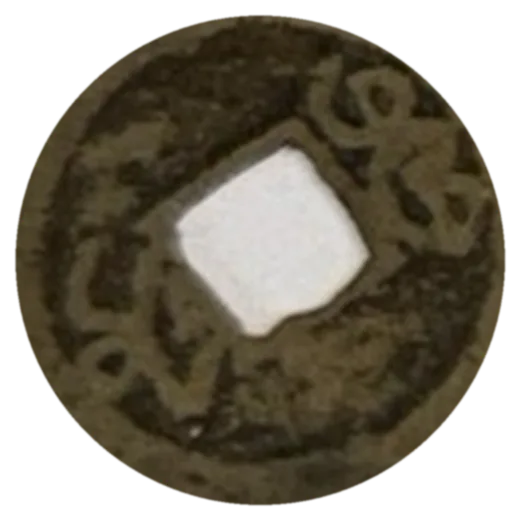
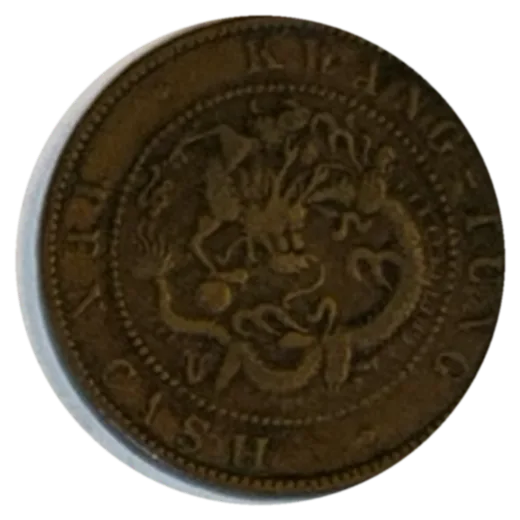
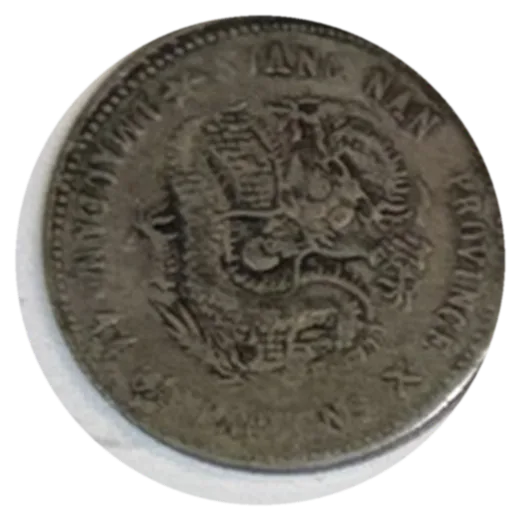
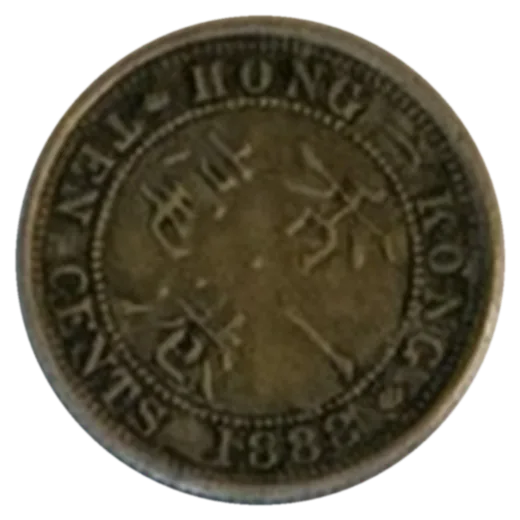
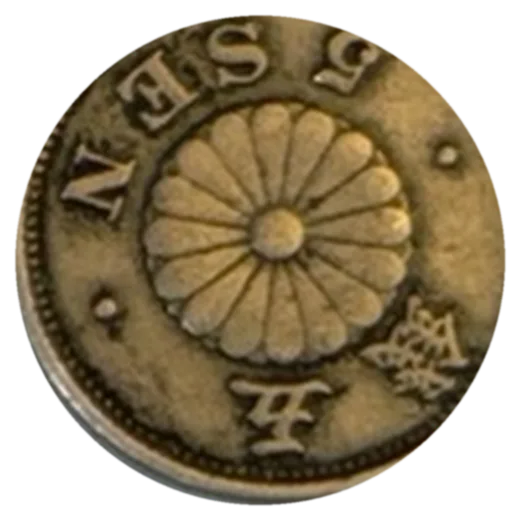
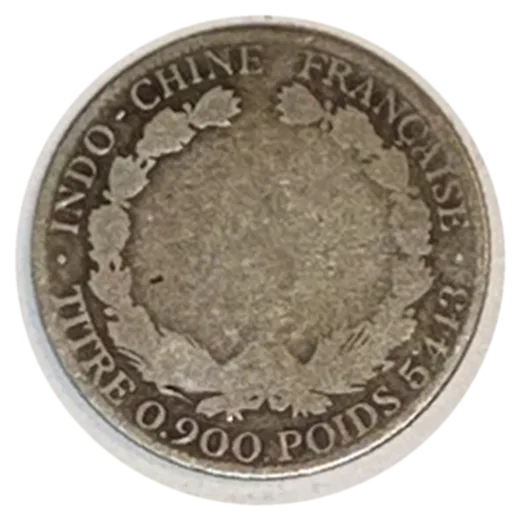
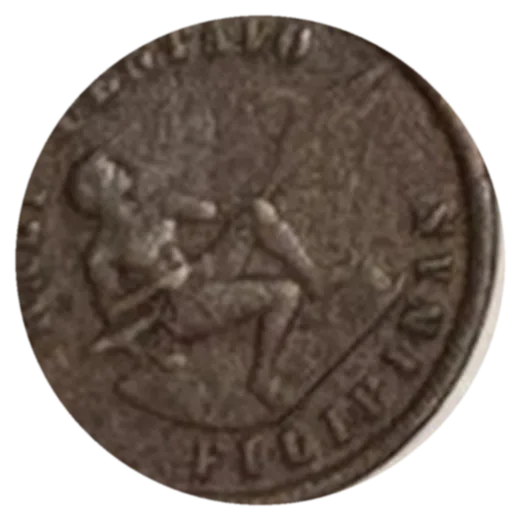
The cash coins with square holes were strung on cords by the hundred. The dragon coppers date from the last years of the Qing dynasty, and the 1904 Philippine centavo was struck by the U.S. Mint in Philadelphia for the American colonial government.
Chinese cash coin1700s to 1800sChinese 10 cashKwangtung, about 1905Chinese silver 20 cents1890sHong Kong 10 cents1889, Queen VictoriaJapan 5 senMeiji eraFrench Indochina 20 cents1885, silverPhilippines centavo1904, U.S. MintStraits Settlements 20 cents1877
Mexico, Morocco, India and Australia
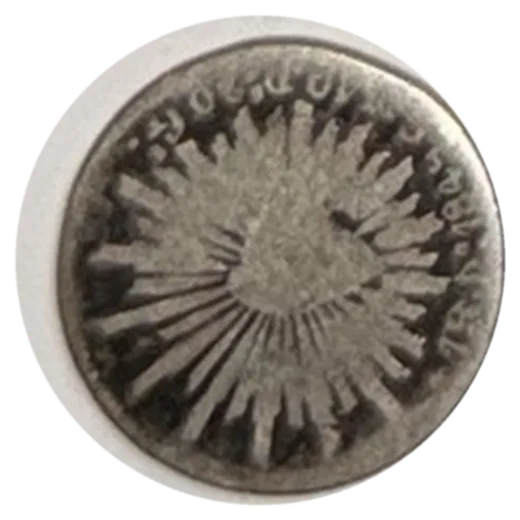
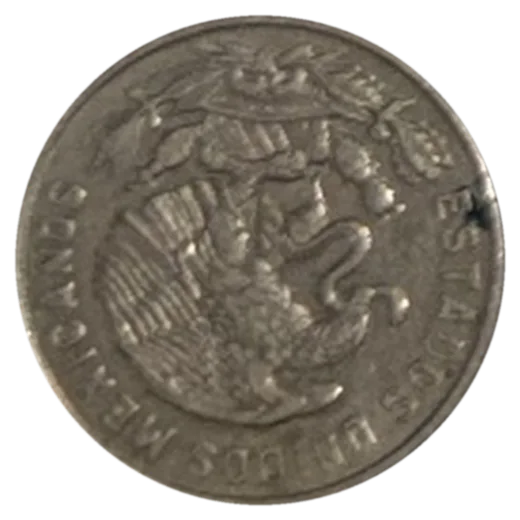
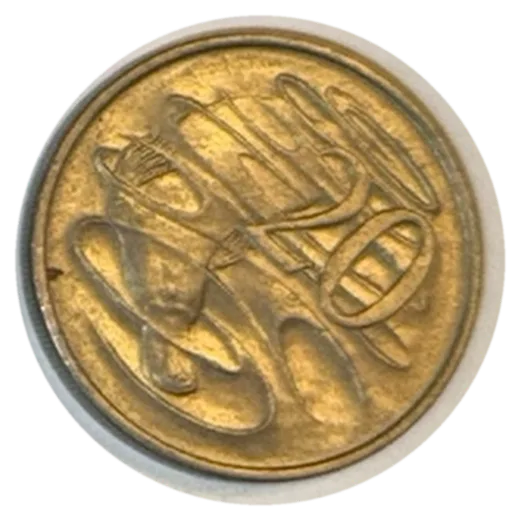
Mexican silver and copper circulated freely in the American Southwest through the 1800s. The Australian round 50 cent was made only in 1966; it was replaced with a twelve-sided coin because the silver in it was worth more than 50 cents.
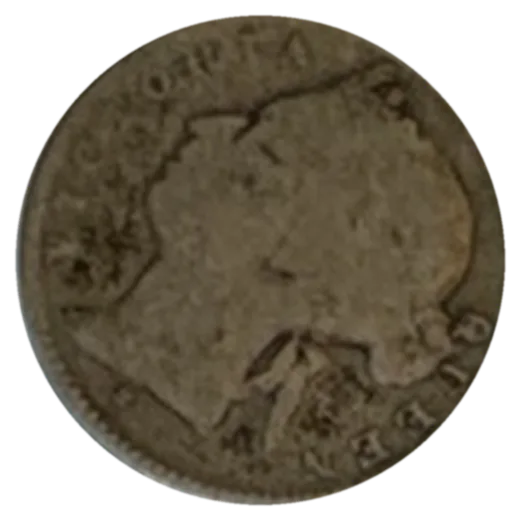
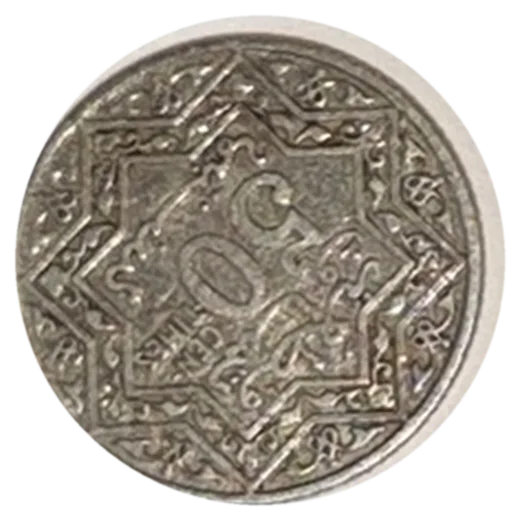
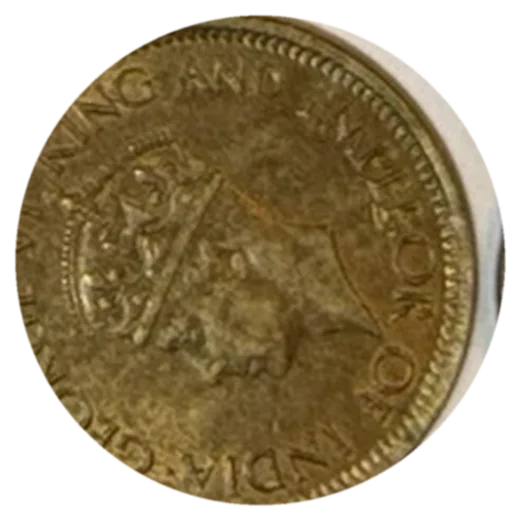
Mexico, silver realCap and rays, mid-1800sMexico, 1861Quarter real, ZacatecasMexico, 196850 centavos, CuauhtémocMorocco, 1920sSeal of Solomon starBritish IndiaKing George V, one annaAustralia, 1966Round 50 cent, 80% silver
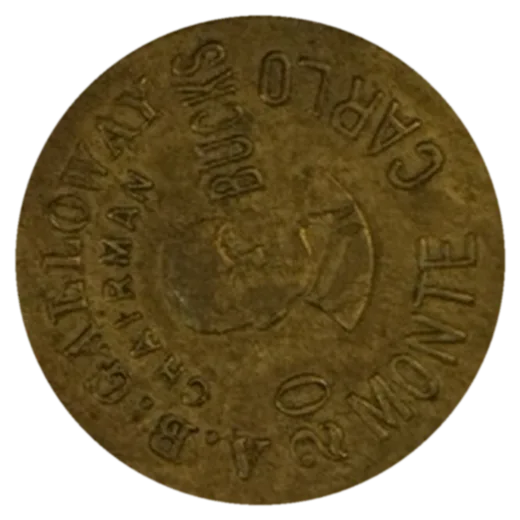
Three curiosities
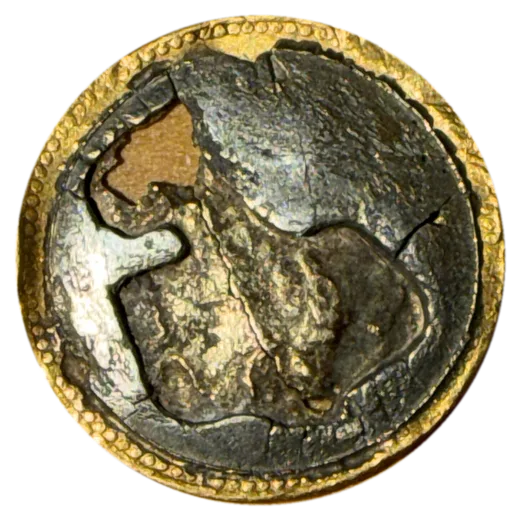
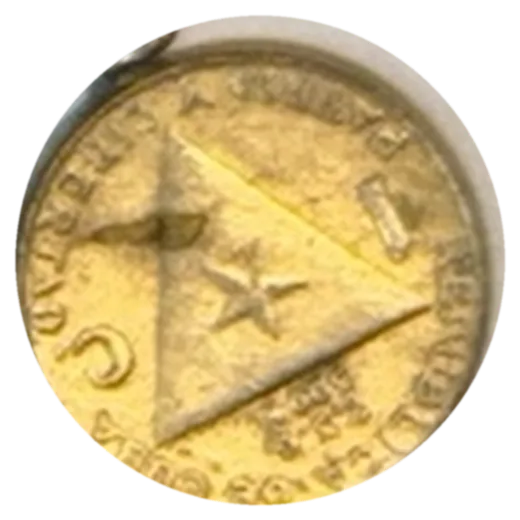
Not quite coins, but worth a second look. The gold piece has a thin gold skin over a darker metal core: it may be an old gilded copy of a small gold coin, or a genuine coin that was turned into jewelry and backed with solder. A jeweler's scale would tell the story.
Monte Carlo casino tokenA gold-surfaced pieceOrigin uncertainA triangle charm with a star
A century and more, coin by coin
1834
Capped Bust half dimeAndrew Jackson is president
1854
French 5 centimesNapoleon III, two years into the Second Empire
1858
Flying Eagle centThe last year of the design
1860
Three-cent silverLincoln is elected in November
1863
Indian Head centThe middle of the Civil War
1885
French Indochina 20 centsFirst year of the colony's coinage
1893
Columbian ExpositionChicago hosts the World's Fair
1904
Philippine centavoStruck in Philadelphia
1932
Washington quarterThe depth of the Depression
1966
Australian 50 centThe first year of decimal currency there
What is it all worth?
An honest estimate, in today's collector market.
$50 to $100
1858 Flying Eagle cent
The single most valuable coin
About $150
The Chicago 1893 group
Three half dollars and the rolled penny
$500 to $800
The whole collection
Roughly, if every piece were sold
Most pieces are worth $2 to $30 each. The silver coins are worth at least their metal, about $5 per quarter and $12 per half dollar. Two things could still change the picture: the mint mark on the 1932 quarter, and the small gold-colored piece.
The real value is the story: a family's travels and a century of history, one coin at a time.